The limits of current flooding diagnostics: how to better protect your property in 2025
NEWS
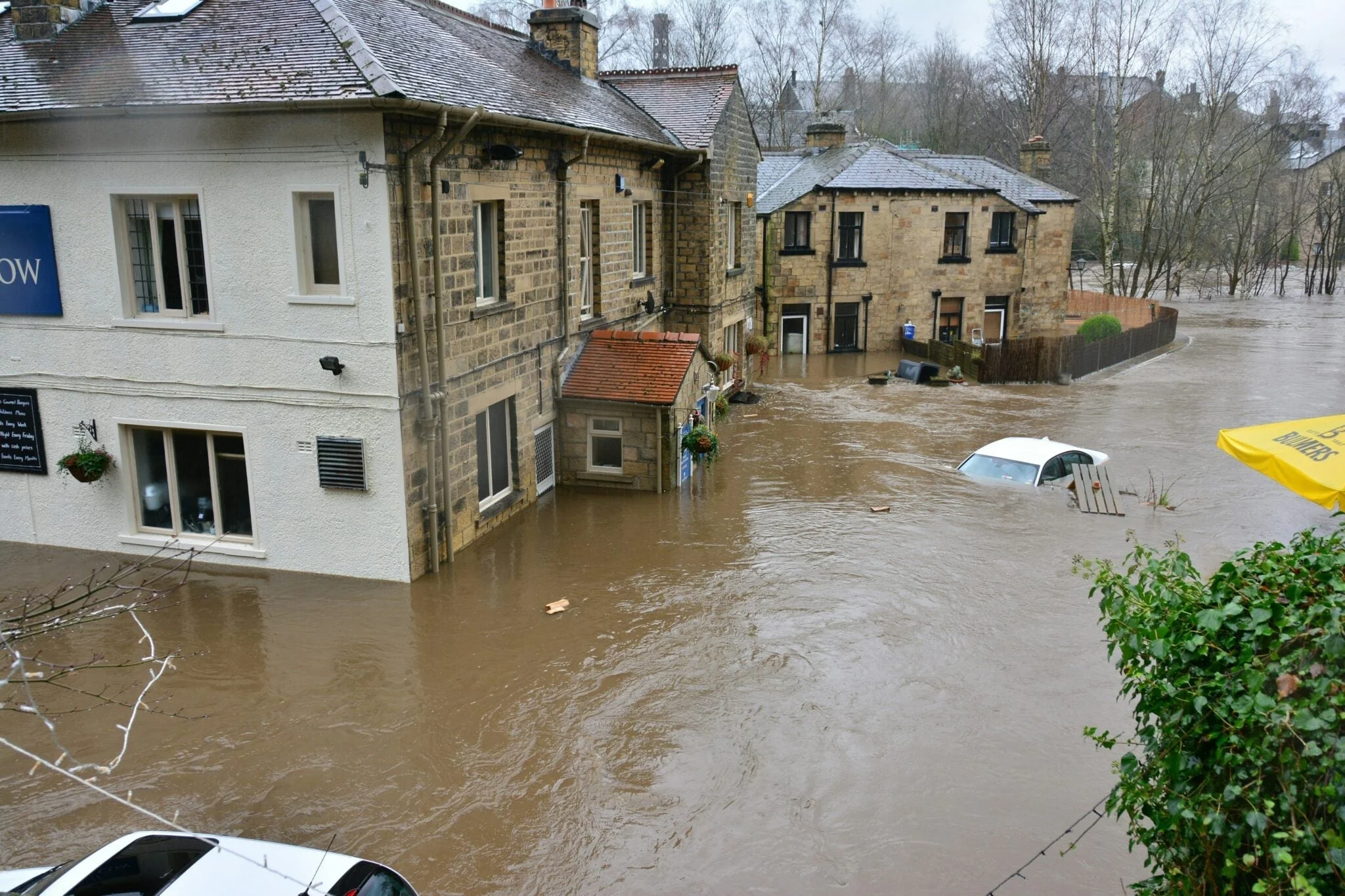
Why Standard Property Diagnoses Do Not Detect All Flood Risks
Since 2003, French legislation has required property owners to provide potential buyers and tenants with a detailed diagnosis outlining the natural and technological risks to which their properties are exposed. This Information for Buyers and Tenants (IAL) is an essential element in the decision-making process for real estate purchases or commercial leases.
According to the article R. 125-24 of the Environmental Code, every owner must indicate if their property is located in an area affected by one or more natural risk prevention plans (PPRN), specify the status of this PPRN (prescribed, anticipated, approved, or under revision), and detail the specific natural risks.
The Limitations of the Géorisques Platform in Light of New Climatic Realities
To perform this diagnosis, property owners are directed to the Géorisques platform (www.errial.georisques.gouv.fr), developed by the Ministry of Ecological Transition and the BRGM. By simply entering an address, the user obtains a report on potential technological and natural risks.
However, this approach has a major flaw: it only takes into account areas officially classified as flood-prone, primarily related to river flooding and groundwater rises.
Yet, the reality on the ground is very different. Statistics show that:
• Nearly 10 million jobs in France are located in flood-prone areas
• 92% of municipalities in Île-de-France have been the subject of at least one natural disaster decree for flooding between 1982 and 2021
• 88% of these floods were caused by runoff phenomena rather than traditional flooding
Runoff: The Invisible Risk Ignored by Standard Diagnoses
The majority of current floods are caused by intense and sudden rainfall that generates significant runoff, quickly saturating drainage systems. These phenomena often affect areas that are not classified as flood-prone in the PPRN.
This gap creates a dangerous situation where businesses and individuals believe they are protected against flood risks, while they remain vulnerable to these increasingly frequent new types of climatic events.
The Financial Impact of an Incomplete Diagnosis
The increase in natural disasters related to climate change already has a direct financial impact on all French citizens. The Cat-Nat fund, which we all indirectly finance, will see its surcharge increase from 12% to 20% on January 1, 2025.
An inadequate risk assessment leads to:
• Costly material damage for businesses and individuals
• Significant operational losses
• Impacts on employment (partial unemployment)
• Excessive use of the Cat-Nat scheme
• A general loss of purchasing power
When the Official Diagnosis Fails to Prevent a Disaster
Take the concrete example of a restaurant for which the Géorisques diagnosis indicated no flood risk. Following a violent storm, the establishment found itself under 80 cm of water, causing considerable damage that the owner had not anticipated.
This case perfectly illustrates the problem: the standard diagnosis was technically compliant with regulations but completely inadequate in light of the new climatic realities.
The Climate Performance Diagnosis: An Innovative Approach to Anticipate Real Risks
To meet these challenges, the Climate Performance Diagnosis (DPC) developed by Tardigrade AI offers a comprehensive assessment of the climatic vulnerability of a property.
This innovative solution is distinguished by:
• The analysis of exposure to a dozen climatic hazards, including rain flooding
• The use of a digital twin of the terrain incorporating surrounding buildings, soil types, and slopes
• Projections based on IPCC models to anticipate future risks up to 2050
• Accurate geolocation of potential water heights
In the case of the restaurant mentioned earlier, the DPC would have identified a risk of rain flooding with a probability of 2% of experiencing a water height of 80 cm within the next 20 years.
How to Reduce the Risks of Rain Flooding
With precise information on the real risks, property owners and businesses can implement effective preventive measures:
• Elevate sensitive equipment and machines
• Avoid storing important products or documents in exposed areas
• Install removable protection devices (flood barriers)
• Preposition evacuation pumps
• In some cases, reconsider the location of a new installation
Conclusion: Anticipate to Better Protect Your Property
The climate is changing, and our risk assessment methods must evolve accordingly. A static diagnosis based solely on the PPRN can no longer effectively anticipate current and future climatic risks.
As an owner or business leader, you cannot prevent the rain from falling, but you can now rely on tools like the DPC Tardigrade AI to protect your assets, your working tools, and the employment of your employees.
FAQ: Flood Diagnoses and Property Protection
What is a rainfall runoff flood?
A rainfall runoff flood occurs when intense and sudden precipitation cannot be absorbed by the ground or drained by drainage systems. Water then flows over the surface, potentially causing flooding even in areas that are not near watercourses.
What is the difference between flood flooding and runoff flooding?
Flood flooding is related to the overflow of a watercourse (river, stream) that leaves its bed. Runoff flooding is caused by intense precipitation that generates surface runoff, regardless of the proximity of a watercourse.
Why are runoff floods becoming more frequent?
Climate change leads to an increase in episodes of extreme and sudden precipitation. At the same time, increasing urbanization and the impermeabilization of soils reduce natural absorption capacity, exacerbating the runoff phenomenon.
Is the flood diagnosis mandatory when selling property?
Yes, since 2003, the Information for Buyers and Tenants (IAL) is mandatory and must mention whether the property is located in an area affected by a Natural Risk Prevention Plan (PPRN).
What exactly does a standard IAL diagnosis contain?
The standard IAL diagnosis indicates if your property is located in an area covered by a PPRN, specifies the status of this plan (prescribed, approved, etc.) and details the officially identified natural risks, such as river floods or groundwater rises.
Why might the Géorisques diagnosis be insufficient?
The Géorisques diagnosis is based only on areas officially classified as flood-prone in the PPRN, which generally do not take into account rainfall runoff flooding. However, these account for 88% of claims in Île-de-France.
What is the Climate Performance Diagnosis (DPC) from Tardigrade AI?
The DPC is an innovative solution that evaluates the complete climatic vulnerability of a property by analyzing exposure to a dozen climatic hazards, including rain flooding. It uses digital twins of the terrain and projections based on IPCC models.
How does the DPC differ from the standard Géorisques diagnosis?
Unlike the Géorisques diagnosis, which is limited to officially flood-prone areas, the DPC analyzes the terrain, soil types, surrounding buildings, and future climatic projections to identify all types of flooding risks, including runoff.
How can I tell if my property is particularly vulnerable to runoff flooding?
Certain indicators may alert you: your property is located at the bottom of a slope, in a natural basin, or in a highly urbanized area with few green spaces. A Climate Performance Diagnosis will provide you with a precise assessment of this vulnerability.
How can I access the Climate Performance Diagnosis?
You can obtain a DPC for your property by directly contacting Tardigrade AI or by visiting their website. The diagnosis can be performed for any type of real estate, residential or commercial.
Do you want to obtain a diagnosis for your business? Contact us today.