secure the supply chain against climate risks
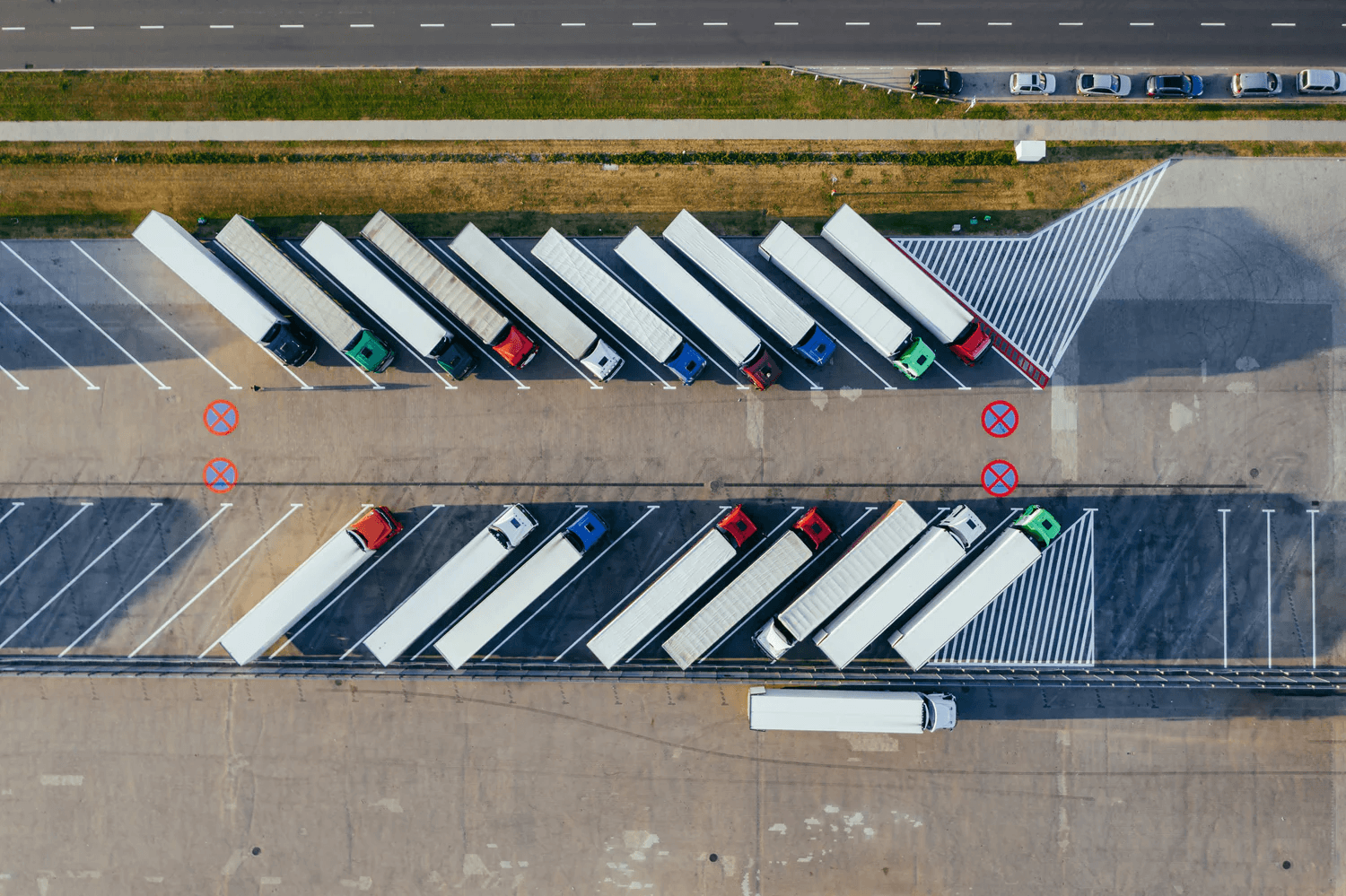
Tardigrade AI supports logistics managers in their critical challenges to ensure supply continuity, optimize flows, and protect operational performance against the intensification of climate-related hazards.
1. Mapping of Logistics Vulnerabilities
Identify climate risks that may disrupt warehouses, platforms, hubs, transportation, and suppliers.
Evaluate critical points: flood-prone areas, sensitive routes, supplier dependencies, and potential disruptions.1.
2. Mapping of Logistics Vulnerabilities
Analyze the impact of climate hazards on inventories, deliveries, and distribution capacity.
Provide metrics and tools to anticipate disruptions and reduce downtime.
3. Monitoring of Flows and Early Alerts
Monitor logistics infrastructures and critical routes.
Receive geolocalized alerts up to 5 days in advance to activate rerouting plans, stock security, or delivery schedule adjustments.
4. Stock Optimization and Supply Resilience
Adjust stock levels, buffers, and supplier redundancy according to projected climate risk levels.
Reduce the risks of shortages, obsolescence, or destruction of goods.
5. Strengthening Infrastructures and Operational Capacities
Identify necessary investments in warehouses and platforms: drainage, protections, ventilation, HVAC equipment, electrical security.
Ensure that strategic sites remain operational during heatwaves, floods, or storms.
6. Expanded Coordination with Carriers and Suppliers
Align emergency protocols among logistics partners.
Share risk data to improve delivery reliability and operational continuity across the entire chain.
7. Detection of Opportunities and Cost Optimization
Identify potential gains related to adaptation: flow optimization, savings from reduced disruptions, better product availability, improved customer service.
Transform climate risk management into an operational and competitive advantage.